
Well guys its new years eve and we are just about to start our new blog site
about gaming yes we will be posting podcast and more as from next year
we will also getting news from game developers conference and e3 and more
also posting reviews previews and competitions so stick around
next year will be a blast
javascript:void(0)
Here at THC we wish you a happy new year
Dont drink and drive this new years eve guys
stay safe
THC.
Wednesday, 30 December 2009

THC GAMERS GAME OF THE YEAR
Uncharted 2
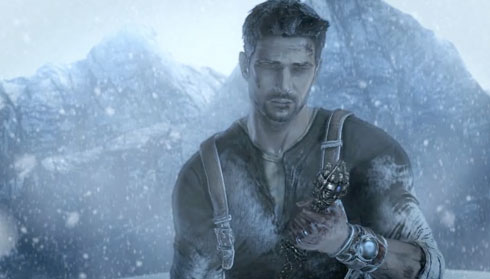
Uncharted has shown the true power of the ps3 and not even xbox or some pc games can top it this gen
Not to be a mad fan boy but when has the xbox360 had a game this good really
well ND you have proved the ps3 power and this is the game of the year
i cant wait to see what you have in stall for the next ps3 game lets hope its as good a uncharted 1 and 2 and not do a call of duty mw2 on us yes i am talking about a Flop and a total waste of hype and money to some of us gamers
500 Million GBP Per Year To Enact Three Strikes
One of the largest stories regarding file sharing and copyright enactments of the year, has been the "three strikes" proposals across the globe, most famously, that of the United Kingdom. A joint ISP report today outlined the costs and requirements for any such bill to be enacted in the United Kingdom, and as if the story weren't already enough to make your blood boil, once you hear the price tag you're sure to become aggravated.

The report states that a "three strikes" plan which is already in works by UK Business Secretary Lord Mandelson, whom leads the Department of Business and Innovation and Skills, will be not only an extreme intrusion into the people of the UK's privacy and rights, but it will be an even larger intrusion into their wallets.
The voracious task of implementing all the proposals for dealing with illegal file sharing online, has been somewhat of a game for Lord Mandelson, and has made him the direct target of those accusing the "three strikes" policy of costing more than it's worth to the people of Great Britain.
Usually paying someone to strip you of your rights doesn't sound like a pretty means of taxation, but in this circumstance, the people have no choice or even voice in the matter. The estimated cost of the overall "three strikes" policy, will be over £500 million ($799.5 million) per year. This would add up to an amount of approximately £25 ($40) per internet subscriber per year.
Many internet service providers though are feeling the squeeze as well, stating that due to them having to charge higher priced subscription fees, that they will lose a temporal gain in customers. Thus, they take a loss while the industries of entertainment are set in motion to receive the largest benefit by cutting down on "illegitimate piracy", which also in the eyes of the ISP, will force many users away from extremely high speed broadband packages.
Charles Dunstone, of whom is the Chief Executive of Carphone Warehouse, which also owns Talk Talk, the UK's largest consumer based supplier of bandwidth, believes that the ISP's will suffer greatly from the proposed "three strikes" measures. He states that "Broadband consumers should not have to bail out the music industry. If they really think it’s worth spending vast sums of money on these measures then they should be footing the bill; not the consumer."
Valid points that make up the differential question of "Why are we paying for a proposal in which we the people have had no say in deciding?" Other ISP's such as BT, another major network provider, has openly voiced his opposition to the so called "collective punishment" which targets only a mere IP address instead of actively trying to prosecute the person(s) whom may be responsible for any form of counterfeiting or piracy.
BT Retail Consumer Division Manager, John Petter, said "Put yourself in the shoes of a small businessman who has a rogue member of staff. Your internet access could get cut off because of the actions of one individual. It really feels like the UK is out on a limb with these proposals compared to the rest of the world."
This would be the equivalent of you riding in a car with four friends, the car itself, was suspected to be used as a getaway vehicle a few weeks before for a bank robbery, and then you are all pulled over by the police, and charged with the robbery of a few weeks before. Even if they couldn't pinpoint who did it, just because you were in that car, all of you being charged with robbery. This type of charge would absolutely not stand in a court of law, without having substantial evidence towards the person(s) responsible. So why does this new form of "three strikes" which holds a single IP address accountable stand as reason to be penalized? That's a question many are asking.
The internet service providers are also very distressed and angry over the fact that the proposal requires all broadband customers regardless if they share files online, to provide financial backing for a bill that only helps the entertainment giant corporations to continue the same failing business prospects which have accounted for most of their losses. They say that supporting a "bail out" of the entertainment industry will only result in a slump in economic growth and prevent the spread of new and exciting technologies that will force the entertainment industry to compete.
Although there are many who've expressed their disliking and concern for the bill, there are some such as the British Phonographic Industry (BPI) which have stated that they believe the plan is within "everyone's interest due to the overall benefits to the country which far outweigh the costs", yet they've offered little to no facts to support their claim.
I fail to see any true benefit to the people of the UK, considering that the proposal introduces a guarantee that record labels will profit even if they cannot meet the high demands of the consumers who buy their products. With the only current opposition to the record industry as "free" distribution via file sharing, this pretty much ensures that they will rake in some type of profit.
The entertainment industry already succumbs to extreme profits via legal online purchases and downloads, from cell phone videos, ring tones, to handheld downloads, and many other various forms. This also decreases what they deem as a threat, which is p2p use.
In the end, the people of the United Kingdom end up in a situation where if they do download "alleged" copyrighted material, they can be disconnected from the internet, or even fined. Even if they don't download via file sharing networks or applications, they are still "fined" by having to pay a minimum tax to pay for the proposal. The record companies, and movie industry can claim a victory over file sharing, and the governments have repaid promises to campaign donors, such as the entertainment industry. Everyone wins, except for the hard working people.
Then it begins a new frontier, a methodology of where file sharers are evolving, into more discreet and efficient ways of not being detected. The government will eventually have to battle the new means of file sharing too, which only leads to further tax increases and funding to combat the new age of piracy. It's a revolving circle, where only the people suffer. File sharing doesn't decrease, nor does the financial gain in which corporate interests will make from the measures. I guess someone is happy now. Just not the people.
Source
The report states that a "three strikes" plan which is already in works by UK Business Secretary Lord Mandelson, whom leads the Department of Business and Innovation and Skills, will be not only an extreme intrusion into the people of the UK's privacy and rights, but it will be an even larger intrusion into their wallets.
The voracious task of implementing all the proposals for dealing with illegal file sharing online, has been somewhat of a game for Lord Mandelson, and has made him the direct target of those accusing the "three strikes" policy of costing more than it's worth to the people of Great Britain.
Usually paying someone to strip you of your rights doesn't sound like a pretty means of taxation, but in this circumstance, the people have no choice or even voice in the matter. The estimated cost of the overall "three strikes" policy, will be over £500 million ($799.5 million) per year. This would add up to an amount of approximately £25 ($40) per internet subscriber per year.
Many internet service providers though are feeling the squeeze as well, stating that due to them having to charge higher priced subscription fees, that they will lose a temporal gain in customers. Thus, they take a loss while the industries of entertainment are set in motion to receive the largest benefit by cutting down on "illegitimate piracy", which also in the eyes of the ISP, will force many users away from extremely high speed broadband packages.
Charles Dunstone, of whom is the Chief Executive of Carphone Warehouse, which also owns Talk Talk, the UK's largest consumer based supplier of bandwidth, believes that the ISP's will suffer greatly from the proposed "three strikes" measures. He states that "Broadband consumers should not have to bail out the music industry. If they really think it’s worth spending vast sums of money on these measures then they should be footing the bill; not the consumer."
Valid points that make up the differential question of "Why are we paying for a proposal in which we the people have had no say in deciding?" Other ISP's such as BT, another major network provider, has openly voiced his opposition to the so called "collective punishment" which targets only a mere IP address instead of actively trying to prosecute the person(s) whom may be responsible for any form of counterfeiting or piracy.
BT Retail Consumer Division Manager, John Petter, said "Put yourself in the shoes of a small businessman who has a rogue member of staff. Your internet access could get cut off because of the actions of one individual. It really feels like the UK is out on a limb with these proposals compared to the rest of the world."
This would be the equivalent of you riding in a car with four friends, the car itself, was suspected to be used as a getaway vehicle a few weeks before for a bank robbery, and then you are all pulled over by the police, and charged with the robbery of a few weeks before. Even if they couldn't pinpoint who did it, just because you were in that car, all of you being charged with robbery. This type of charge would absolutely not stand in a court of law, without having substantial evidence towards the person(s) responsible. So why does this new form of "three strikes" which holds a single IP address accountable stand as reason to be penalized? That's a question many are asking.
The internet service providers are also very distressed and angry over the fact that the proposal requires all broadband customers regardless if they share files online, to provide financial backing for a bill that only helps the entertainment giant corporations to continue the same failing business prospects which have accounted for most of their losses. They say that supporting a "bail out" of the entertainment industry will only result in a slump in economic growth and prevent the spread of new and exciting technologies that will force the entertainment industry to compete.
Although there are many who've expressed their disliking and concern for the bill, there are some such as the British Phonographic Industry (BPI) which have stated that they believe the plan is within "everyone's interest due to the overall benefits to the country which far outweigh the costs", yet they've offered little to no facts to support their claim.
I fail to see any true benefit to the people of the UK, considering that the proposal introduces a guarantee that record labels will profit even if they cannot meet the high demands of the consumers who buy their products. With the only current opposition to the record industry as "free" distribution via file sharing, this pretty much ensures that they will rake in some type of profit.
The entertainment industry already succumbs to extreme profits via legal online purchases and downloads, from cell phone videos, ring tones, to handheld downloads, and many other various forms. This also decreases what they deem as a threat, which is p2p use.
In the end, the people of the United Kingdom end up in a situation where if they do download "alleged" copyrighted material, they can be disconnected from the internet, or even fined. Even if they don't download via file sharing networks or applications, they are still "fined" by having to pay a minimum tax to pay for the proposal. The record companies, and movie industry can claim a victory over file sharing, and the governments have repaid promises to campaign donors, such as the entertainment industry. Everyone wins, except for the hard working people.
Then it begins a new frontier, a methodology of where file sharers are evolving, into more discreet and efficient ways of not being detected. The government will eventually have to battle the new means of file sharing too, which only leads to further tax increases and funding to combat the new age of piracy. It's a revolving circle, where only the people suffer. File sharing doesn't decrease, nor does the financial gain in which corporate interests will make from the measures. I guess someone is happy now. Just not the people.
Source
Subscribe to:
Posts (Atom)